জল
Water
Water edits the picture before the camera sees it.
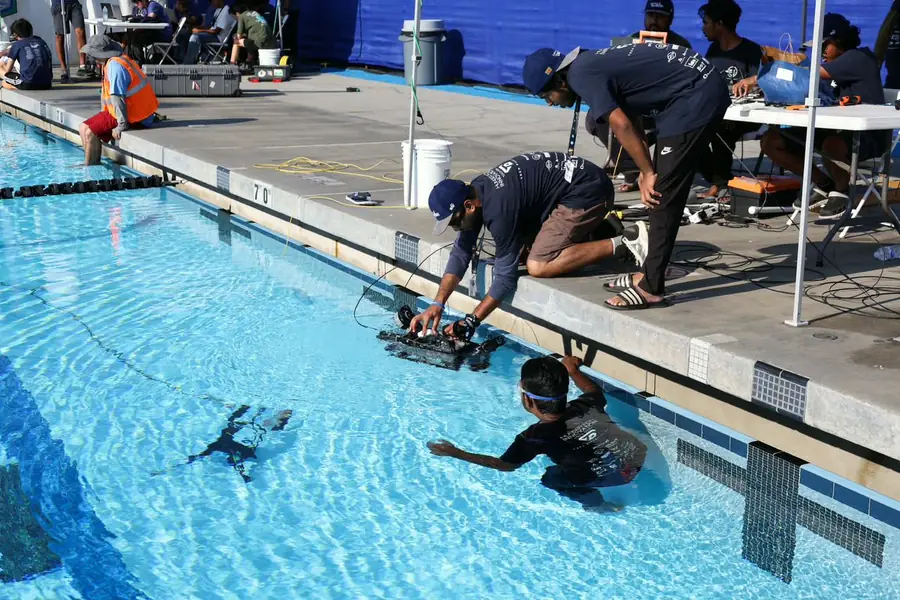
The machine for it
A stack for an underwater vehicle
Ordinary Wi-Fi and GNSS are not dependable through-water links. An untethered mission has to use the observations and links it actually has, including their age and limits.
- Thrusters (design)
- 5
- Board loop (configured)
- 500 Hz
- Two detector workers (bench)
- 30 + 30 Hz
- XFeat alongside (bench)
- 3 Hz
- Tests at archived checkpoint
- 4,742
- Water trials
- 0
What I built for water
- BRACU DuburiFrom vision subteam to engineering lead. Water grades on a curve.8th / 58, twice
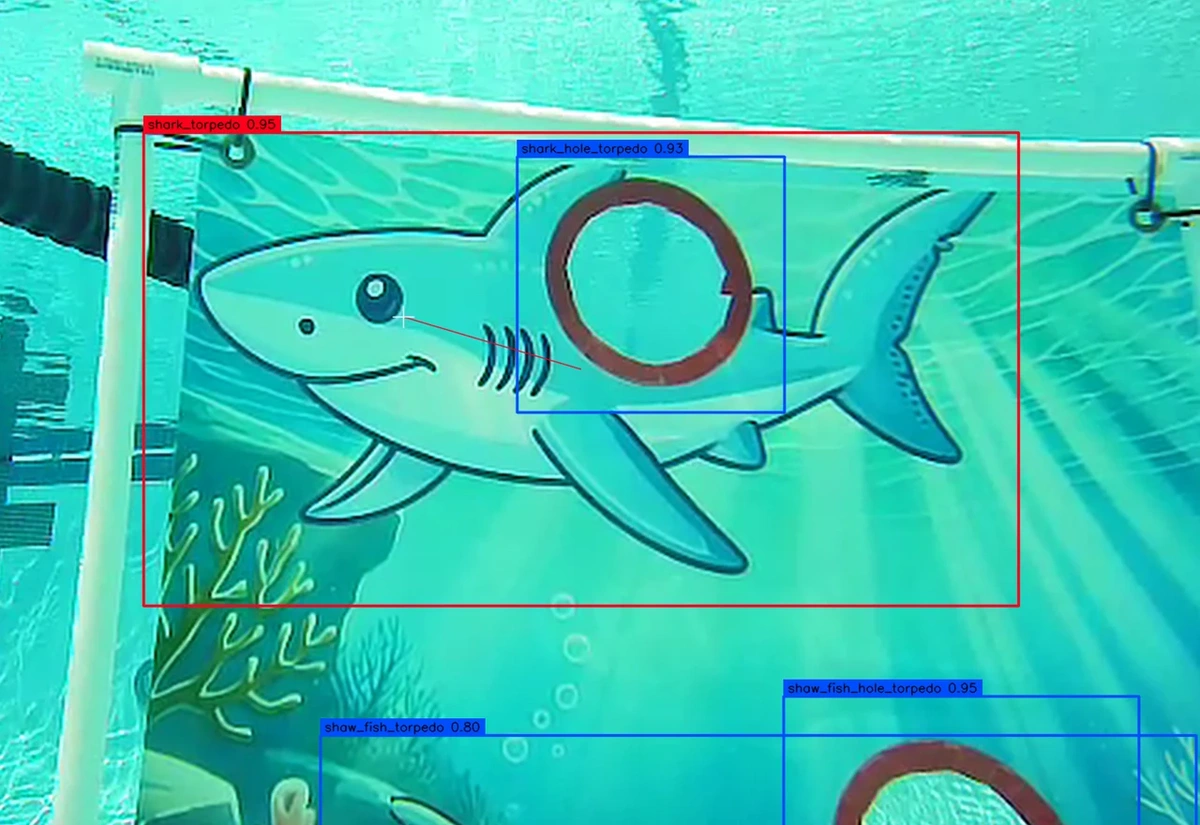 MonglaBench: 30 + 30 Hz detectors and 3 Hz XFeat. Archived checkpoint: 4,742 tests, 0 dives.1,368 commits
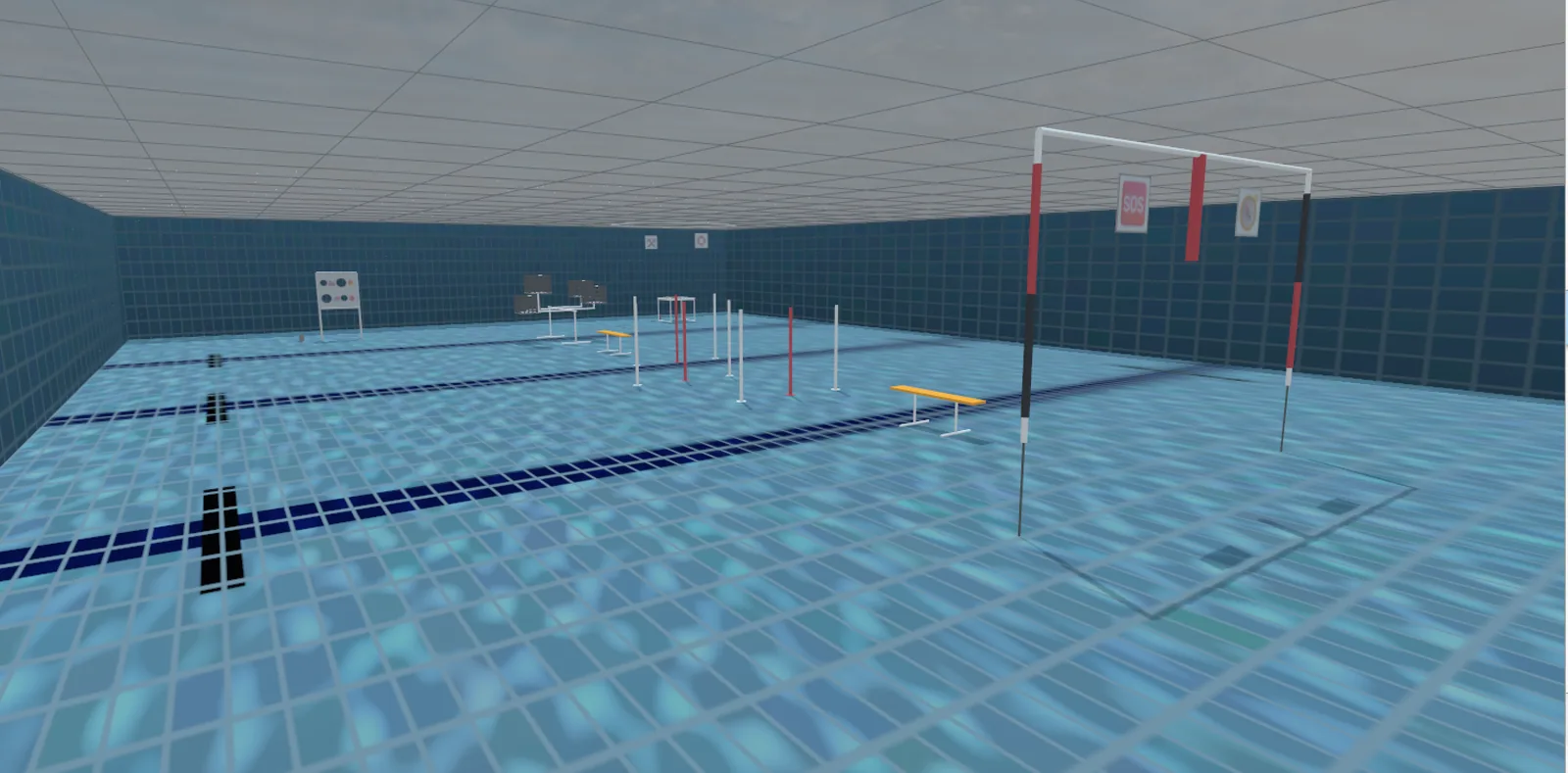 Mongla SimA pool that never closes, refereed by a contract test.6 courses
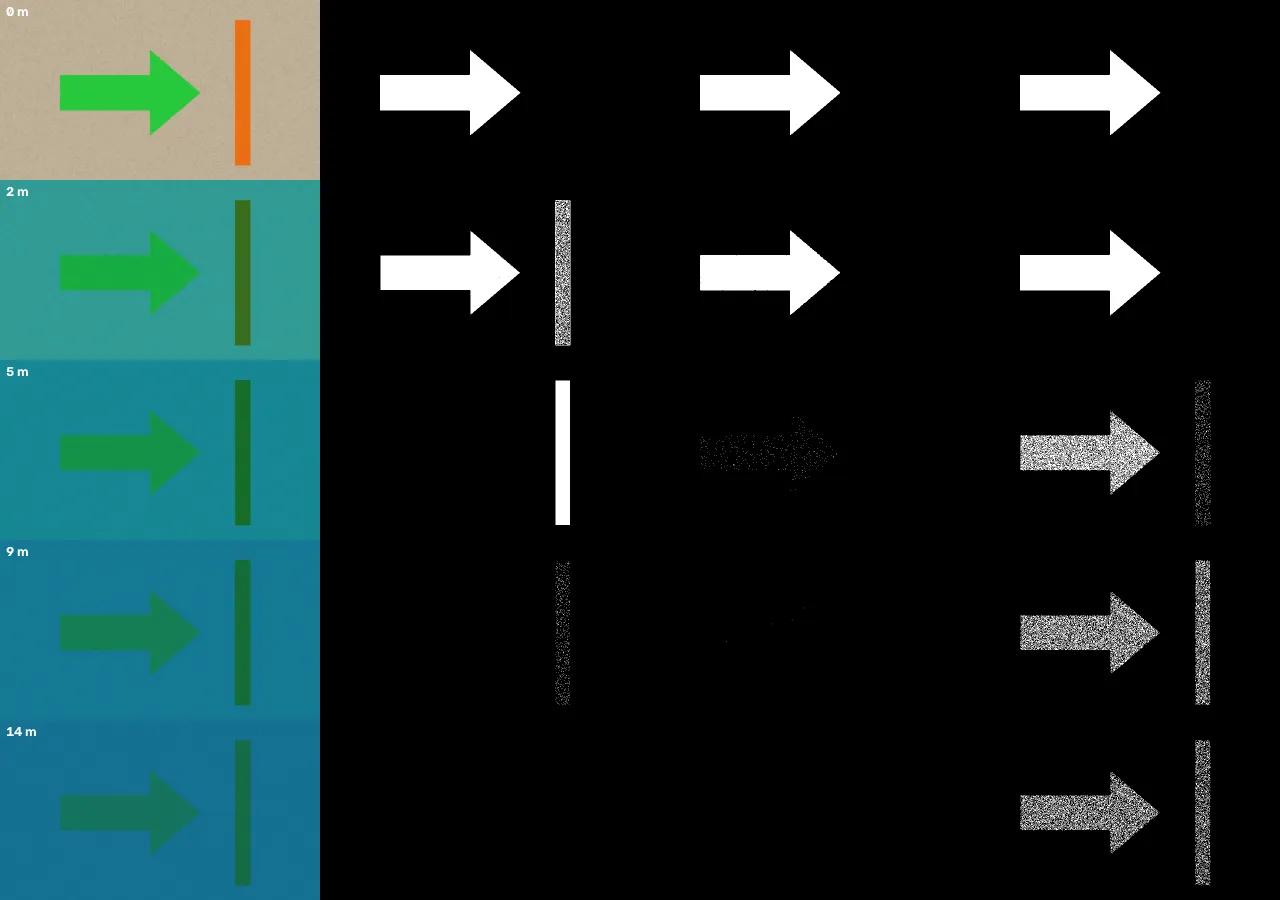 Green, at depthSink a green arrow until the threshold starts seeing things.
 The interview bottleThe test set was the training set. I graded myself and passed.
What water taught me
- The kill switch that said "clear"KILL = 0 on the wire means thruster power is safely off-limits until someone clears it.
- The acknowledgement that liesAsk for 100 Hz and the board either does it or says DENIED.
- A mailbox, not a queueDrain the queue and take the last frame, as every reference recommends, and you're caught up.
- Five times the detections, retracted the next dayContrast enhancement (CLAHE) recovers 5× the detections on blurry water.
- The calibration was wired to the wrong camera, both waysThe forward camera publishes the forward camera's calibration.
- The blur was a 200 ms shutterThe detector struggles with this prop.
- Every axis reversedThruster directions were verified and level calibration was done, so it's the IMU orientation.
- The sign was wrong, not the sizeThe gains need re-tuning.
- Zero is not "unset"The gyro is noisy at rest; the lever arm explains it; refused intervals lose travel.
- Age since arrival is not age since captureThe control loop's "frame age" is the age of the frame.